Menopause and Weight Loss How Metabolic Health Changes the Game
When we think about menopause weight loss, it is natural to wonder why what used to work no longer seems effective. Many of us reach a stage where we have maintained a sensible diet and stayed reasonably active, yet still feel stuck. We may notice that weight accumulates around our midsection or that our usual workouts no longer give us the same results. Despite the frustration, it is important to know we are not alone in this experience.
Our bodies go through significant hormonal changes at this stage in life, and those fluctuations affect more than just our waistline. The good news is that by understanding how metabolism shifts during menopause and focusing on blood sugar support, we can create a plan for sustainable weight management.
Explore menopause weight loss
Menopause weight loss differs from the traditional calorie-counting approach that many of us are used to. During the menopausal transition, our levels of oestrogen and progesterone change, which can slow our resting metabolic rate and affect how our bodies store fat. We might feel like our metabolism has dropped off a cliff, but much of this shift is a normal part of the ageing process.
However, we have more control than we think. By tuning in to our changing hormones and focusing more on metabolic health, we can make meaningful progress. Instead of restricting calories to the extreme, we can shift our approach to emphasise balance, nutrient density, and healthy lifestyle habits. This more holistic perspective offers a sustainable way to support our body through menopause and beyond.
Understand key metabolic shifts
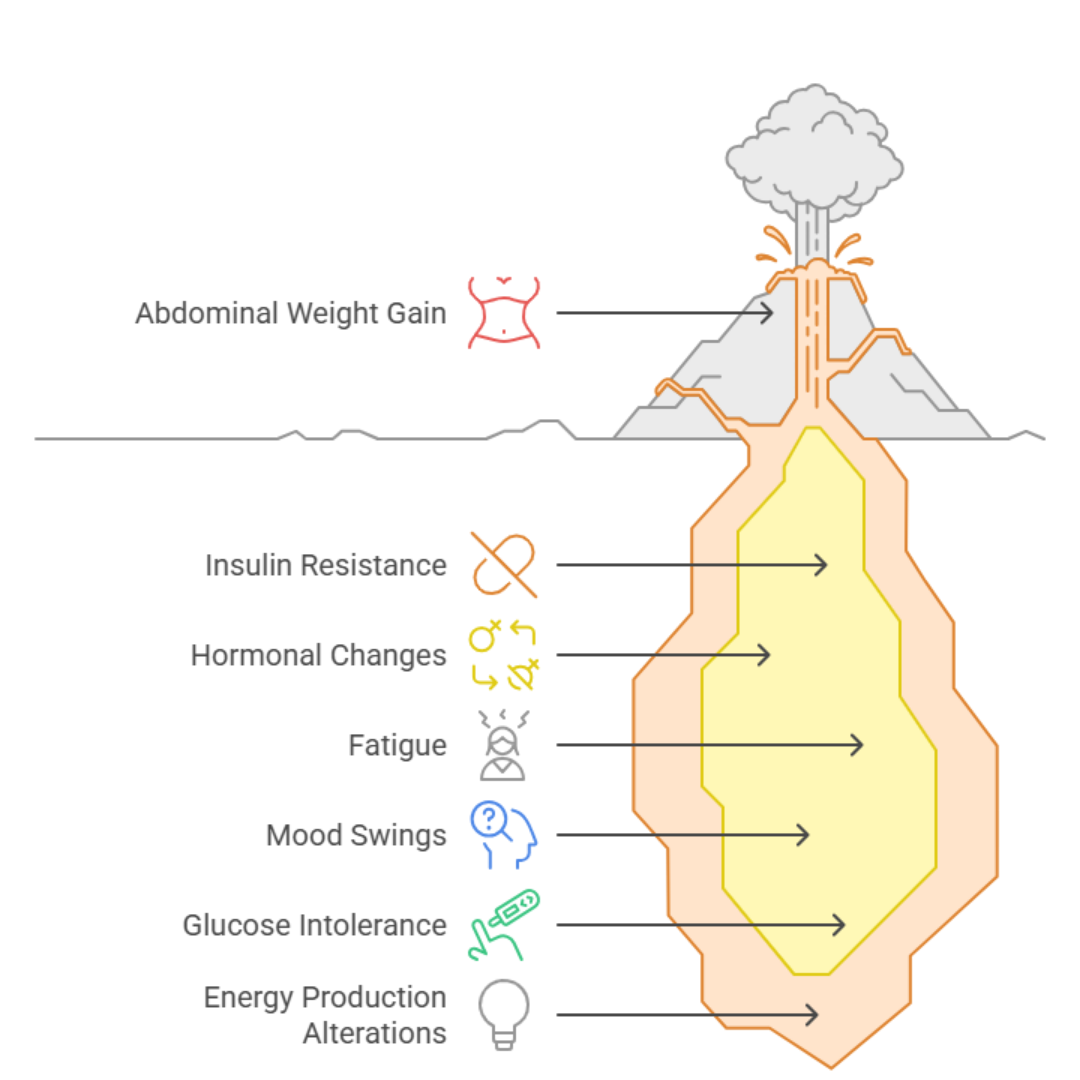
When we talk about metabolic health, we are referring to how efficiently our bodies process and use the foods we eat. During menopause, the body’s ability to regulate blood sugar and store fat can change rapidly. Many of us notice that weight gain settles around our abdomen, which is linked to insulin resistance and hormonal changes.
This shift can also leave us feeling more fatigued. We may find ourselves needing more time to recover after exercise, or struggling with mood swings at surprising moments. These signs often point to changes in glucose tolerance and alterations to our usual energy production.
We believe knowledge is empowering. Recognising that our metabolic needs are in flux helps us make better choices when planning meals and tweaking our routines. Instead of feeling down about stubborn weight gain, we can respond with practical strategies that match our changing biology.
Use blood sugar balance
Maintaining even blood sugar levels is one of the most valuable, even if under-discussed, components of menopause weight loss. When our blood sugar spikes and dips, it often triggers cravings, mood swings, and energy crashes. That is why balancing blood sugar is essential for improving our overall metabolic health.
A balanced meal for menopause often includes:
Protein: supports muscle mass, cell repair and slows sugar absorption
Healthy fats: stabilise blood sugar, foster satiety and essential for hormone production and balance
Fibre-rich carbohydrates: regulate digestion and promote steady energy
Combining these elements at each meal means we help reduce drastic glucose fluctuations. Simple strategies like swapping refined carbs for whole grains or adding a handful of nuts to meals can noticeably improve our energy levels. This focus on blood sugar is a key reason why we encourage sustainable weight loss, rather than following restrictive diets that might cause extreme fluctuations.
Support healthy habits daily
Hormones and blood sugar balance are crucial, but so is our day-to-day lifestyle. In our experience, small and consistent daily practices often make the biggest difference in managing weight during menopause. Whenever possible, we aim for realistic changes that fit our schedule, rather than overhauling everything overnight.
One approach we recommend is simply monitoring our energy throughout the day. We can tune in to the times we typically experience an afternoon slump or late-night cravings. By adjusting our meal timing or prioritising a short walk, we often prevent dramatic drops in energy that fuel unhealthy habits.
Another beneficial shift is to make targeted exercise swaps. If high-intensity workouts seem to leave us exhausted, adding more moderate activities such as swimming, walking, or Pilates can maintain muscle tone while reducing the risk of burnout. Strength-based exercises become even more vital when hormone levels fluctuate, helping support our bone density and combat midsection weight gain.
Sustain your progress
Menopause is far more than a transition - it is a long-term shift in our health. That is why quick-fix diets rarely help us in the long run. A more sustainable approach looks at each day as a chance to support ourselves with simple, doable habits.
Below is a short list of daily actions we can take to keep momentum with menopause weight loss:
Prioritise protein at breakfast.
Avoid eating big meals late into the evening.
Include short breaks during busy days to stretch or take a walk.
Aim for regular sleeping hours whenever possible.
Incorporate relaxation techniques like simple breathwork or mindfulness to reduce stress.
Reframe this stage of life to help you feel strong and empowered.
Even a handful of these small actions can influence how our bodies process food, regulate energy, and protect long-term wellbeing. Rather than fixating on the number on the scale, we can track progress through how we feel throughout the day, more energised, more stable in mood, and better able to adapt to life’s demands.
Build a holistic foundation
We have seen first-hand that our relationship with food and activity is a reflection of our daily experiences and mindset. During menopause, stressors like hot flushes, mood fluctuations, and sleep disturbances can feed into one another. If we skip meals or power through the day on caffeine alone, we risk making these symptoms worse.
A holistic approach starts with acknowledging our mental and emotional wellbeing as much as our physical health. Sometimes that means letting go of rigid diet rules and focusing on the deeper reasons we want to lose weight. Maybe we long for more energy for family, to take on new challenges or to pursue goals at work. Perhaps we want to focus on becoming healthier for the future, avoiding chronic issues. Or to finally feel happy and confident in our own skin. By reconnecting with those motivations, we give ourselves a healthier headspace to navigate the inevitable ups and downs of weight loss.
Move forward with confidence
Menopause brings changes that are real but not insurmountable. By focusing on metabolic shifts and blood sugar balance, we can reclaim a sense of control and chart a healthy path forward. We do not need to fight against our bodies. Instead, we can learn to work with them, tapping into nutrition, movement, and mindset techniques that match our evolving needs.
Our goal is to help each other look beyond drastic diets and quick fixes to find a steadier approach. When we prioritise everyday strategies that nourish us physically and mentally, weight management becomes an integral part of our wellbeing rather than a short-term project. With each small step, we can embrace changes that go hand in hand with menopausal health, laying a foundation for vitality and balance well into the future.